
Imbolc
A quiet turning towards Spring

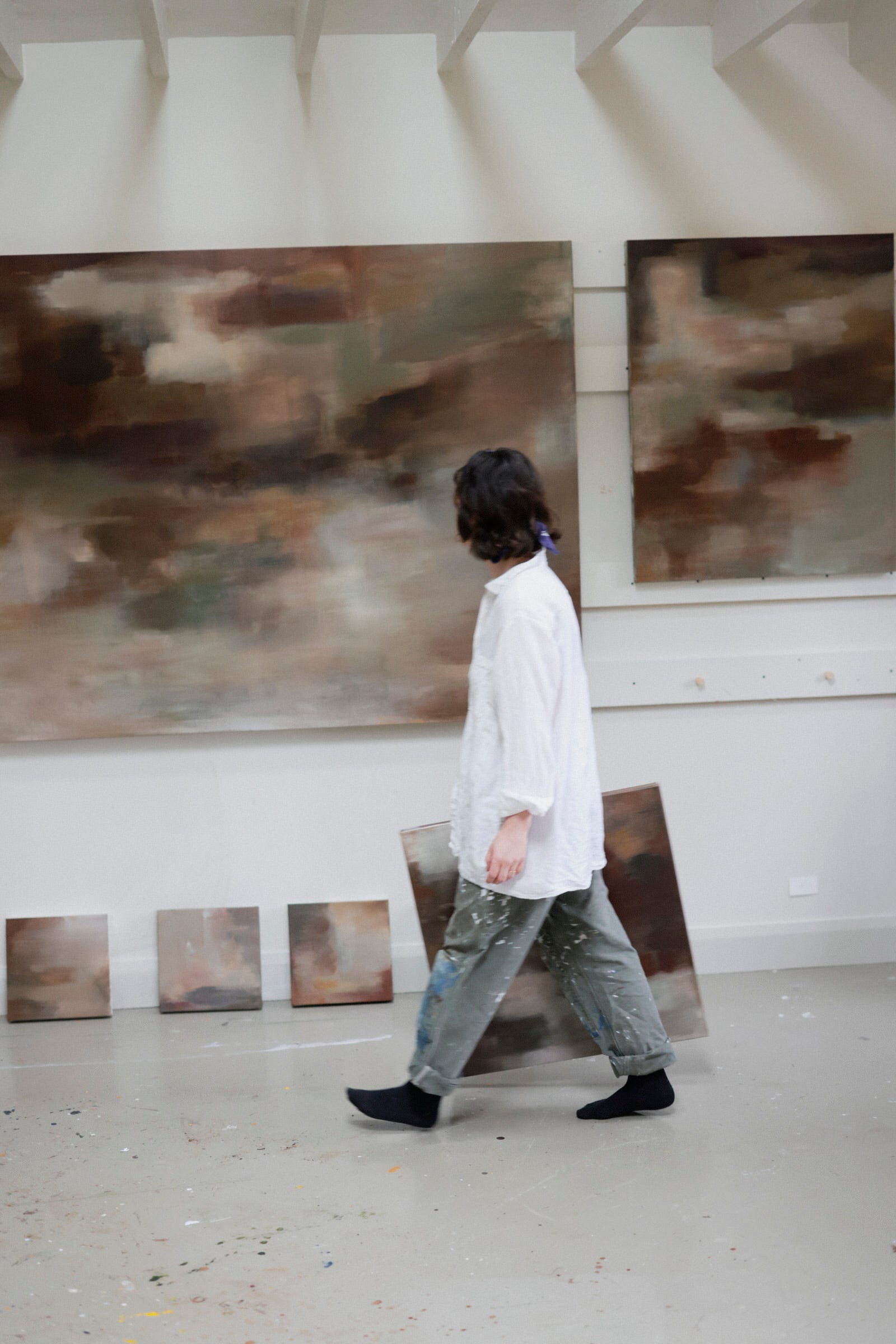
I’ve taken some time out to write this on Imbolc, the Celtic festival that marks the quiet turning toward spring, when the land begins to stir again beneath the surface.
Imbolc sits at the midpoint between the Winter Solstice and the Spring Equinox. Its name comes from the Old Irish i mbolg, meaning “in the belly” - a time when sheep began to lactate and the first shoots of grass appeared, ushering in the earliest signs of life and the reawakening of the land after the depths of winter. It is a threshold moment. Nothing has fully arrived yet, but everything is already preparing.
The Celtic Goddess Brighid is central to this celebration. February 1st is known as her feast day - traditionally a time to create altars and share celebratory meals in her honour. Brighid is often described as having fiery red hair and is associated with both fire and water, as well as transformation and renewal. She is the goddess of creation, midwifery, invention, and smithcraft, overseeing poetry, music, healing, birth, prophecy, artisans, livestock, and art itself. Her favoured people are midwives, poets, blacksmiths, writers, artists, and healers, those who stand at thresholds, bringing something new into being.
A body of work entitled Imbolc emerged for me two years ago, made in close conversation with the land and the quiet seasonal changes unfolding around me. I began conjuring these paintings during this season, gathering images on my many walks close to my home in Co. Wicklow. Even on the dullest and quietest of days, the subtle colours and shifting light I encountered seemed to reflect my own inner state. They became a steady reminder that the seasons were already changing, that nature insists on taking her time, slowly preparing everything, with nothing rushed and nothing forced.
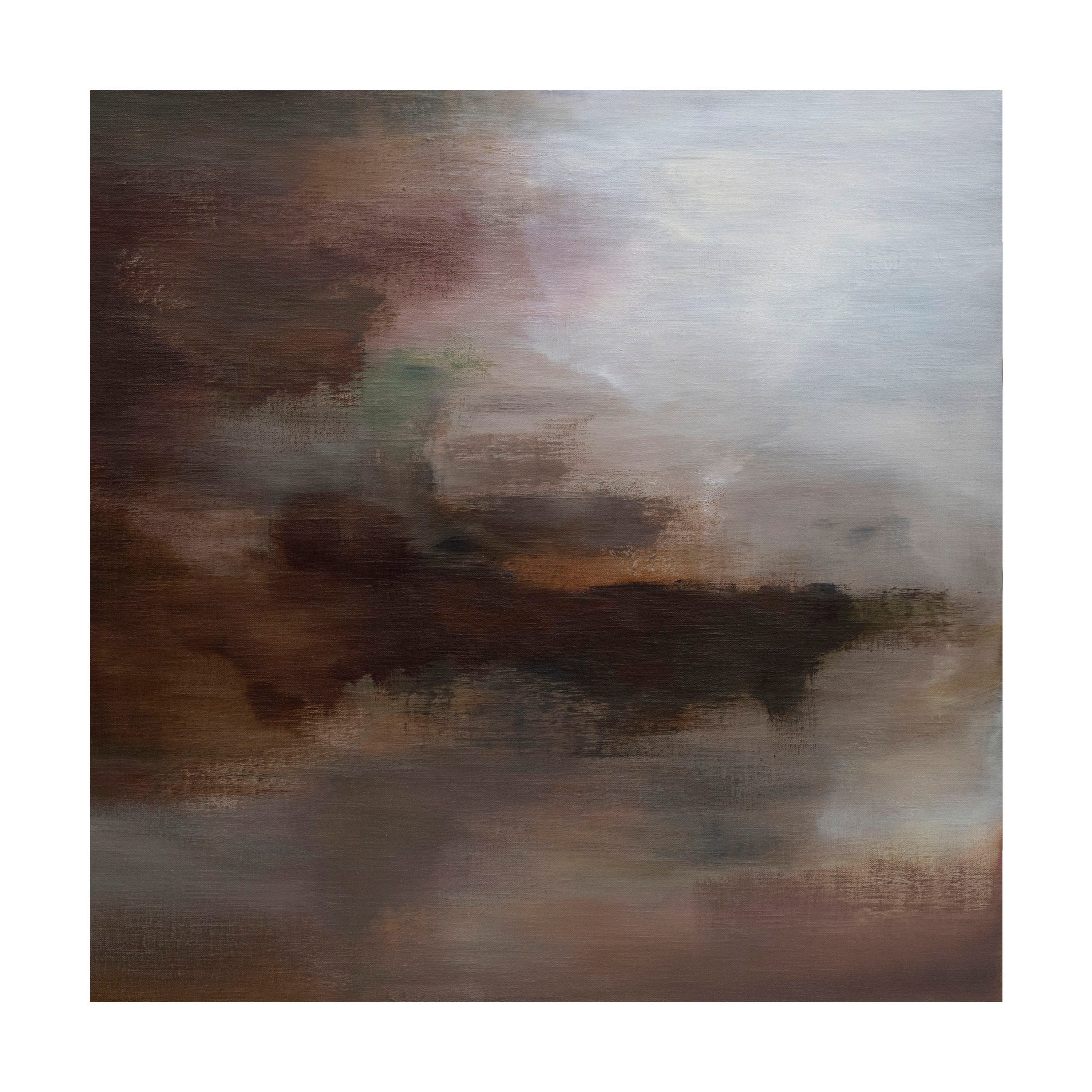
The paintings consist of webs of resonant colour and light. The subject matter almost vanishes, yet echoes remain, imaginatively suggesting fullness, fertility, and the potential of new life. They uncover a mental and emotional dimension, a mood, a sensation, a state of mind, suspended and held within the medium of paint. What feels especially meaningful now is continuing to walk that same landscape, having made the work in such close relationship to it. Revisiting those paths connects me back, not only to the paintings, but to the deeper rhythm of the land itself.
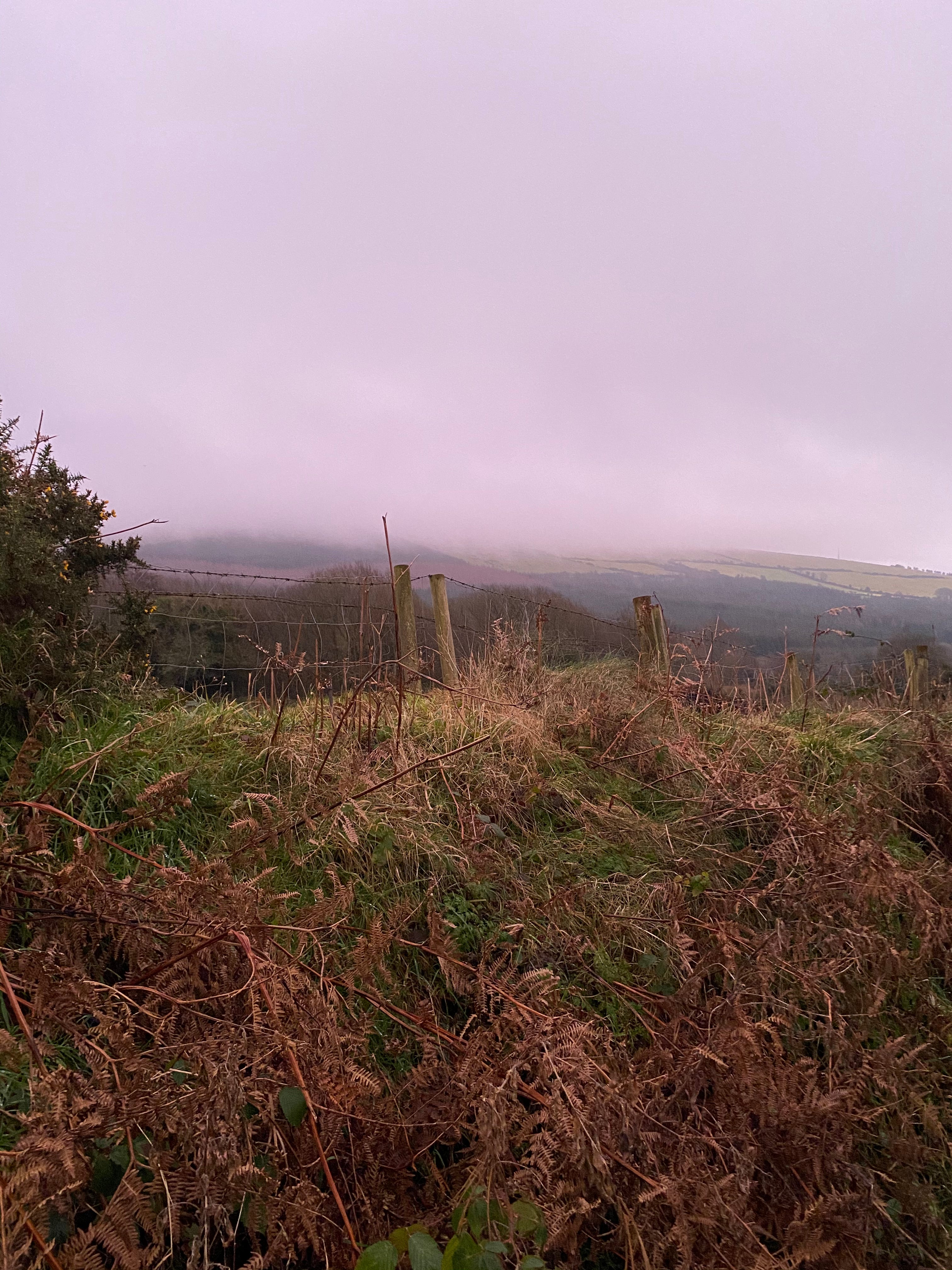
That sense of rooted preparation, of something forming beneath the surface, feels central to this body of work. It asks for a kind of trust that by staying close and staying true, the right kind of change will unfold in its own time. Not as passivity, but as a willingness to remain: to listen more closely, to stay with the work, and to dig further until something essential begins to emerge.
Light returns again. The ground opens again. There is something profoundly dependable in that cycle, especially in uncertain times. It offers a steadying presence, a reminder that change does not always announce itself loudly, and that renewal often begins long before it can be seen. Imbolc continues to resonate with me because it reminds me that even when nothing seems to be happening, change is already underway. Beneath what looks dormant or barren, life is quietly preparing itself, patiently, inevitably.
In that spirit, I’ll leave you with one of the paintings from Imbolc, followed by a quote from the late John O’Donohue, from whom I continue to draw so much inspiration, comfort, and insight, both in life and in art.
Within the grip of winter, it is almost impossible to imagine the spring. The grey perished landscape is shorn of colour. Only bleakness meets the eye; everything seems severe and edged. Winter is the oldest season; it has some quality of the absolute. Yet beneath the surface of winter, the miracle of spring is already in preparation; the cold is relenting; seeds are wakening up. Colours are beginning to imagine how they will return. Then, imperceptibly, somewhere one bud opens and the symphony of renewal is no longer reversible. From the black heart of winter a miraculous, breathing plenitude of colour emerges.
If this piece resonates with you and you’d like to read more, you’re warmly invited to become a paid subscriber. Paid subscribers receive access to every post, shared weekly.